I went to a math conference as a systems engineer
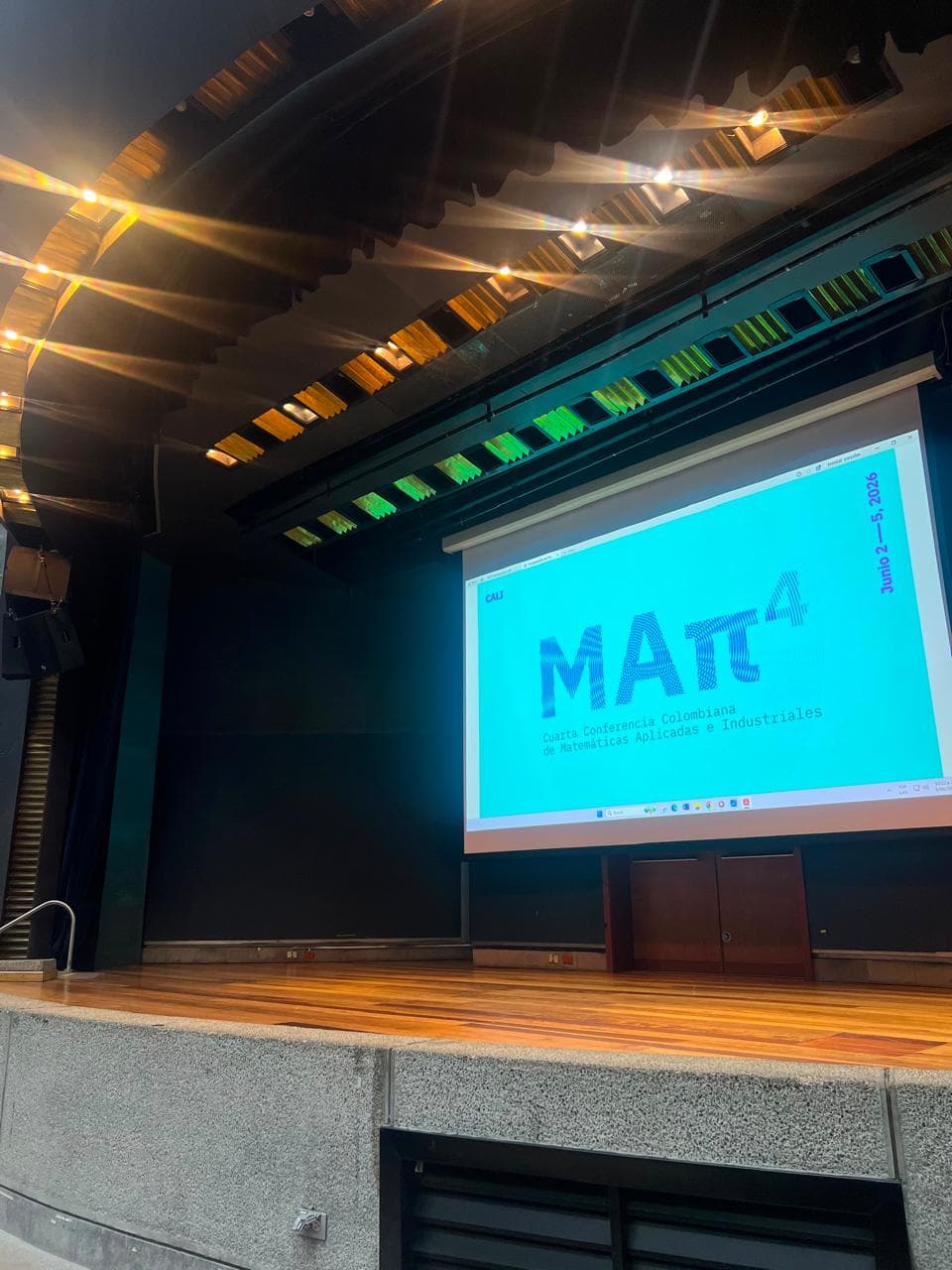
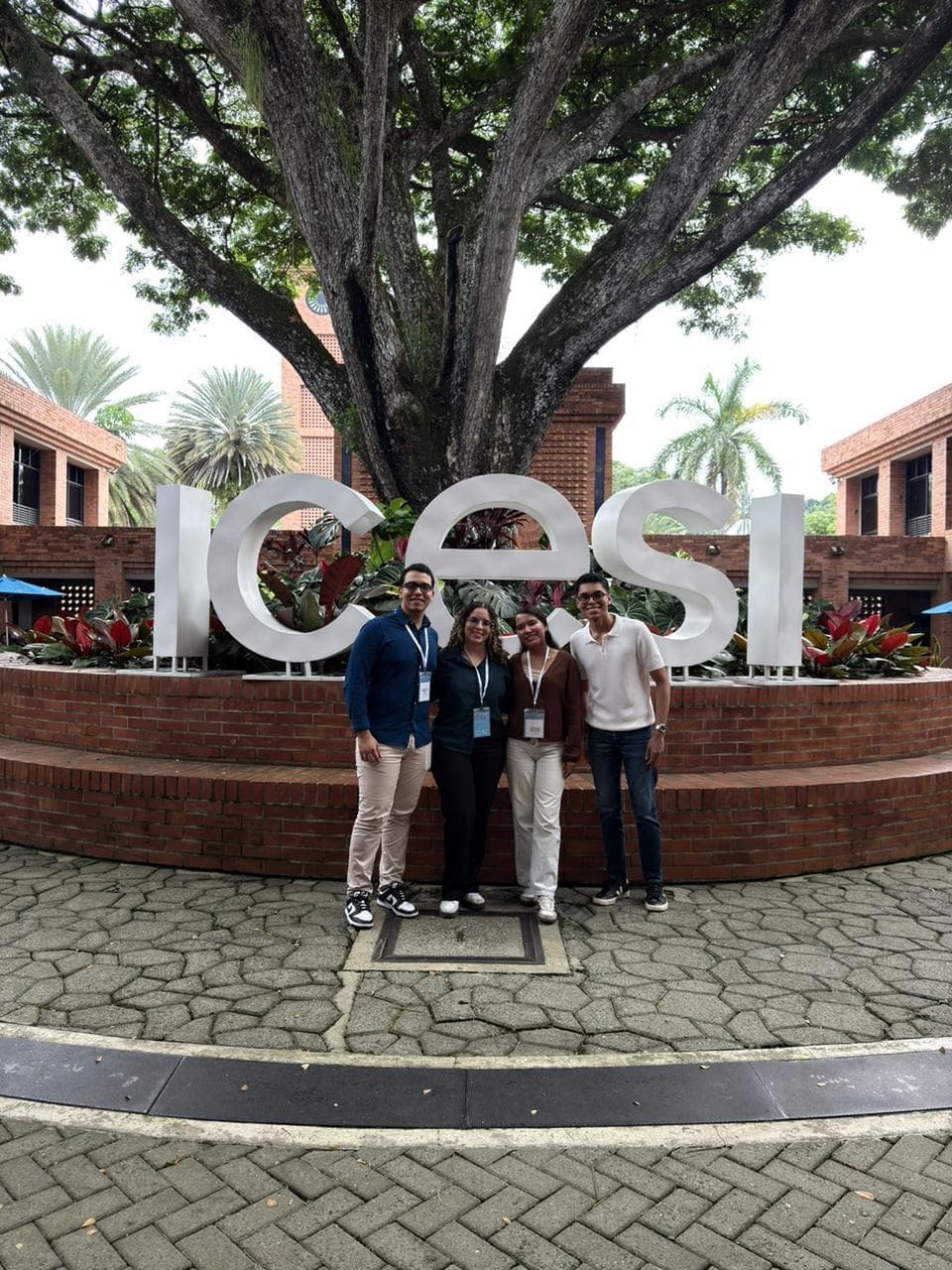
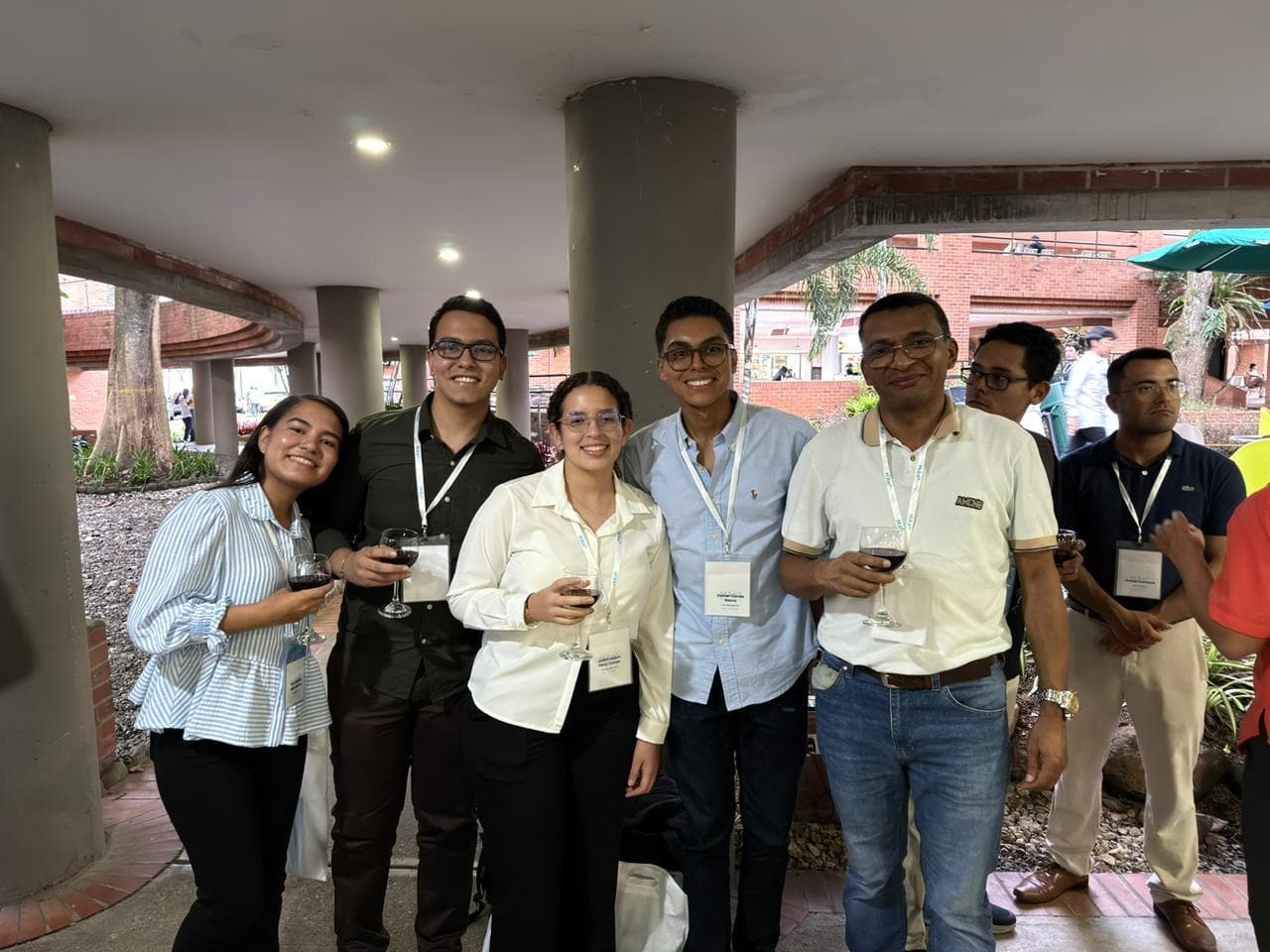
In June I flew to Cali to present at MAπ⁴, the fourth Colombian Conference on Applied and Industrial Mathematics, hosted at Universidad Icesi. I'm a systems engineer. The program was packed with differential equations, cryptography, control theory. Even I didn't see that coming when I signed up.
The question was never whether to go. It was which project to bring. We ended up choosing the one on forecasting demand for occupational health services.
The problem we had to translate
Our work predicts how many medical services workers enrolled in an ARL — Colombia's occupational-risk insurance — are going to need. That's over 10 million people. Staff 20 professionals for 10 patients and you're wasting resources. Staff 10 for 20 and someone goes without care.
Explaining that to a room full of mathematicians, in 20 minutes, meant dropping the software and data science vocabulary I normally think in and finding words we could all actually share.
The model that didn't work
Before we landed on Prophet, we tried DeepAR and N-HiTS, two global deep learning models. The idea was that they'd learn one general pattern across all the series, one per municipality and service. The results left us cold. Real demand swung up and down every week, and the predictions came out nearly flat.
We ran a correlation matrix across the series, and that's where the explanation showed up. Most of them didn't look like each other at all. Colombia is deeply unequal from one municipality to the next, and a single pattern that fit everyone just didn't exist. So we trained a separate Prophet model for each series instead.
Prophet also had an edge: it's easy to read. It splits the trend from seasonality, holidays, and noise. When you're talking to someone outside your field, that separation does a lot of the explaining for you.
What I saw in the other talks
An agricultural engineer from La Providencia talked about how, using the company's own history, a predictive model can cut investment costs in crops. Statistics was doing the real work underneath, which is exactly what made her talk belong at a conference on applied mathematics.
I also met a master's student working on detecting breast cancer in mammograms, using image processing and transfer learning.
All three projects, ours included, started from the same place: a real-world problem someone turned into a model that gives back a useful answer. In our case, it was a correlation matrix that told us which model to throw out.
The slide that mattered most to me
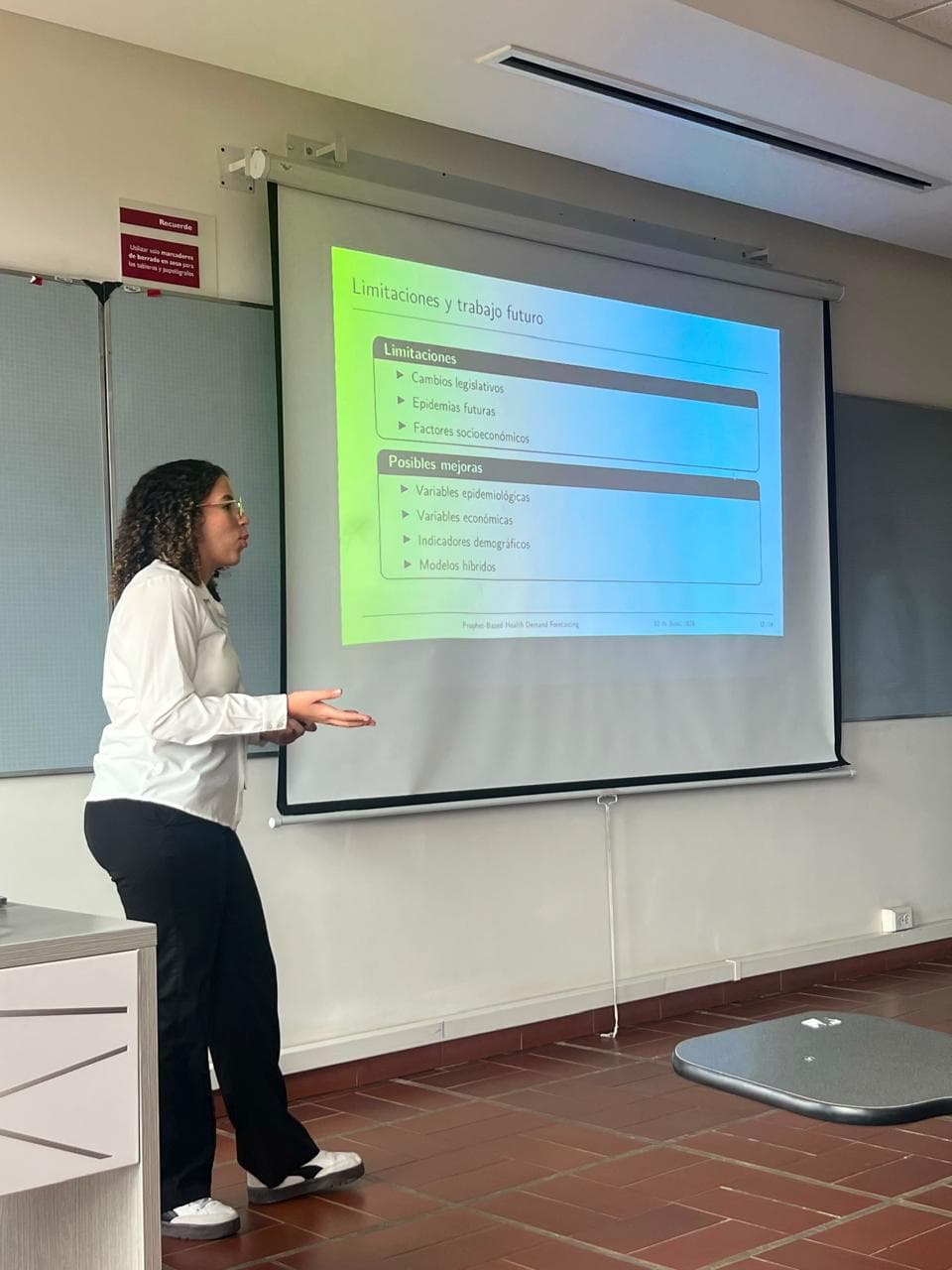
We closed the talk with what our model doesn't know: legislative changes, future epidemics, socioeconomic factors. And with what we could still improve. In front of mathematicians, naming where your model breaks down is just part of how you're expected to talk.
What I'm taking with me
I left the conference convinced that engineering and mathematics move together. Math explains to me why a model works, and knowing that is what lets me make decisions with actual judgment as an engineer.
Our extended abstract, written in English, is on its way to publication in Springer's Research Perspectives – Trends in Mathematics series.